About
Gökhan Mataracı
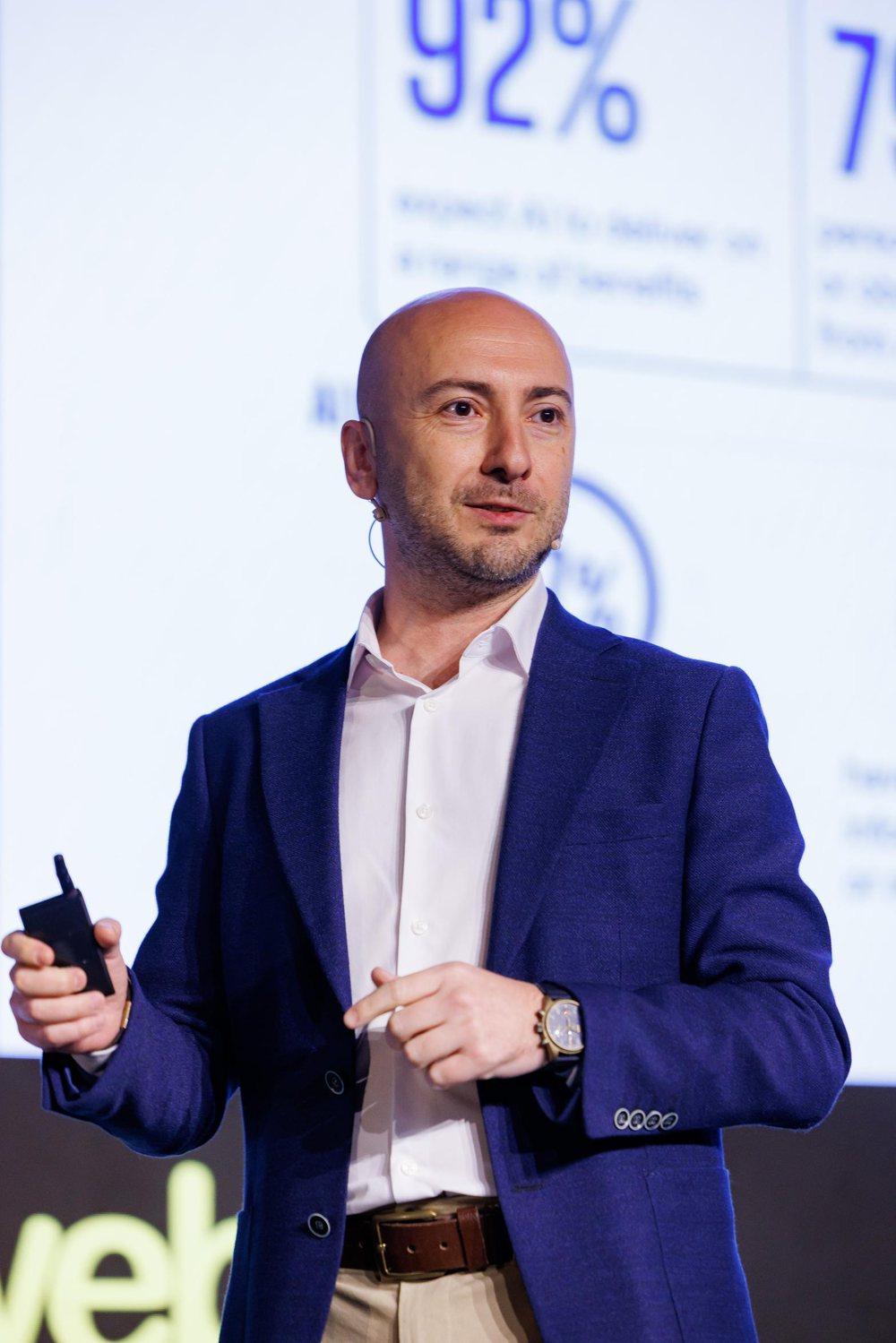
Gökhan Mataracı is an executive who leads enterprise transformation programmes that treat organization structure, business processes and technology as one design. Over a career of more than twenty years he has worked with the senior leadership of more than fifty large institutions in Türkiye, carrying decisions made at the strategy table until they showed up in how the institution runs day to day.
Most recently, at KPMG Türkiye, he built the data, analytics and digital team from scratch and went on to lead innovation and technology advisory. He chaired the Digital Board that set the firm’s digital transformation agenda. Within KPMG’s global AI transformation he designed KPMG Türkiye’s AI strategy and governance, working with member firms across Europe and worldwide.
On the public side, together with the Presidency’s Digital Transformation Office, he designed a national-scale strategy for how public institutions should use cloud computing, and on what principles.
He designed a metropolitan smart traffic management system end to end. He set the strategy, drew the five-year roadmap and moved the technology selection process forward, bringing every layer the city needed, from infrastructure and cameras to traffic lights and intelligent systems, into a single plan. The roadmap was ultimately included in the relevant ministry’s transformation plan.
In another three-year programme he led the institutionalisation of a mining group that had grown as a family business. The programme began with a digital strategy and extended from finance processes to production and IoT applications in the field. Gökhan Mataracı led it from strategy to execution. The transformation was completed successfully, and the setting the programme set out to create, one in which institutional memory is digital, came to life.
The same approach was applied from the inside at Akbank. The bank wanted to become an institution that makes its decisions with data, and Gökhan Mataracı turned that goal into a management structure rather than a technology project. He built and led a data office that owned the ownership and quality of data and the technology it runs on. The office tied to the bank’s operations which responsibility, policy and technology each decision should rest on. As the bank moved towards its performance targets, regulatory requirements were not set aside; the structure was built to carry both.
At EY he applied the same approach to finance and risk management. He took part in transformation programmes at banks and in credit risk projects. Across several holding companies he built decision support systems, group consolidation, management reporting, management cockpits and dashboards as part of financial transformation, treating technology as inseparable from the way an institution takes and tracks its financial decisions.
He began his career at Ereteam and, over ten years of large systems integration projects, rose from consultant to director and sat on the executive committee. Alongside consulting he was responsible for sales and solution design. He worked in banks, insurance companies, retail and public institutions, managed partnerships with global technology providers, and helped bring new technologies to Türkiye and the company’s services built on them. One of the largest projects of that period was the design of the management cockpit at one of Türkiye’s largest banks, whose core design is still in use today.
Gökhan Mataracı’s experience comes into play in transformations that involve several business units and require processes and responsibilities to be rethought together with AI and other technology decisions. He works as an advisor to boards and senior executives, in executive roles and as a speaker.
Focus areas
AI and technology leadership
AI strategy and governance; the board, CEO, CIO and CTO agenda; bringing technology decisions to senior leadership. From where to invest to who owns the risk and the accountability, technology is treated as part of business strategy.Enterprise transformation
Multi-unit programmes in which organization, process and technology are rebuilt together. Transformations that run from roadmap to delivery across banking, holdings, the public sector and industry.Data and decision systems
Establishing the data decisions rest on, along with the responsibilities and governance around it. A framework that runs from the data office to management cockpits, decision support and management reporting.
Let’s talk.
To talk through your institution’s transformation agenda and exchange ideas, leave me a note.
Send a note →